Tornado & Storm Flood Water Damage Restoration In Alabama
Tornadoes, flash floods and storm rain put water inside Alabama homes every year. For Tornado & Storm Flood Water Damage Restoration Alabama families can reach at 2 AM, one free call connects you with an independent local pro — extraction, drying and cleanup, answered 24/7.
MVBHDJSLCS★★★★★“Grateful for their 24/7 emergency service” — Rebecca Dalton, Alabaster
Free To CallAnswered 24/7Independent Local ProsNo ObligationServing 31 Alabama CitiesOne Free Call
Free To CallAnswered 24/7Independent Local ProsNo ObligationServing 31 Alabama CitiesOne Free Call
Related Services We Offer
One free call connects you with a local pro in Alabama for the storm and flood work below.
Water Extraction Services
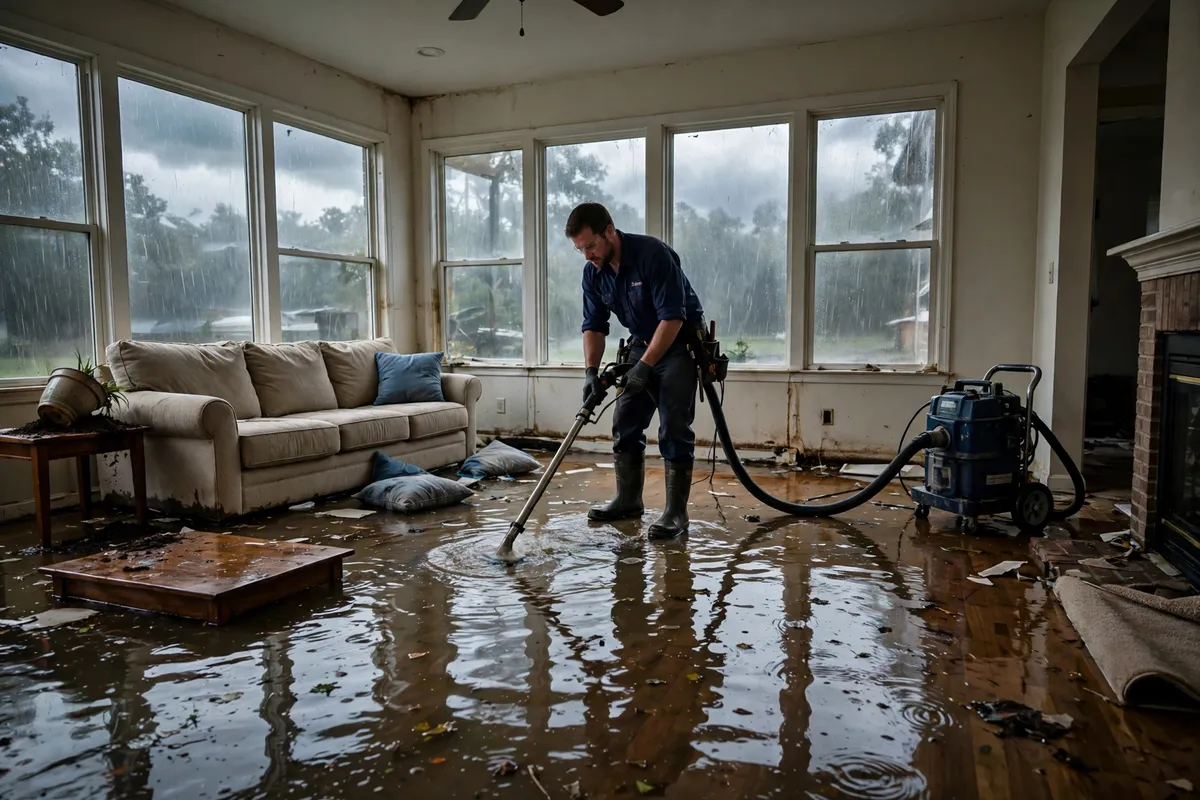
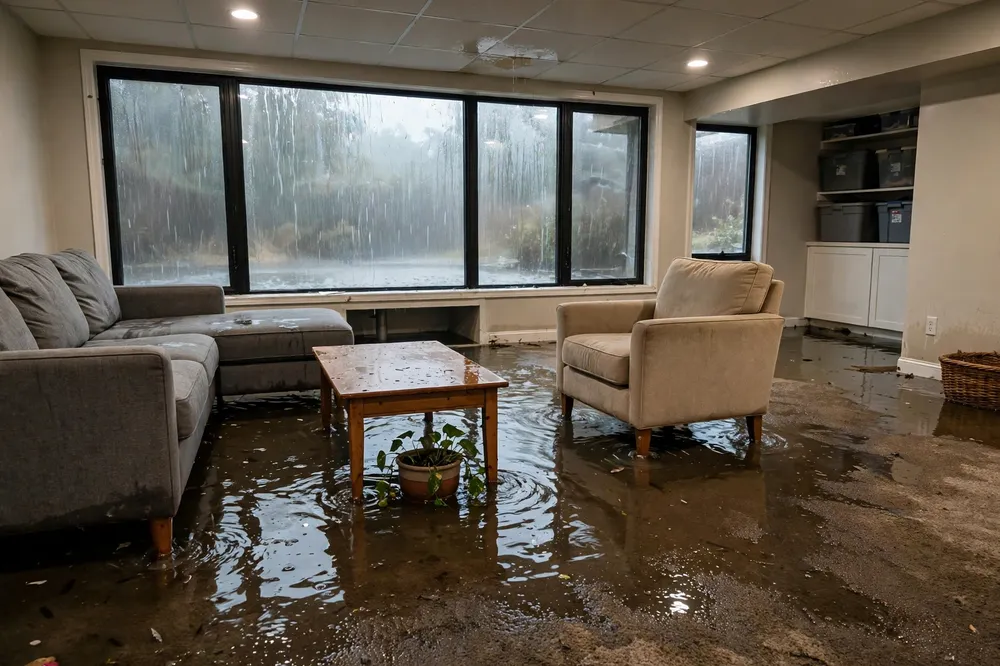
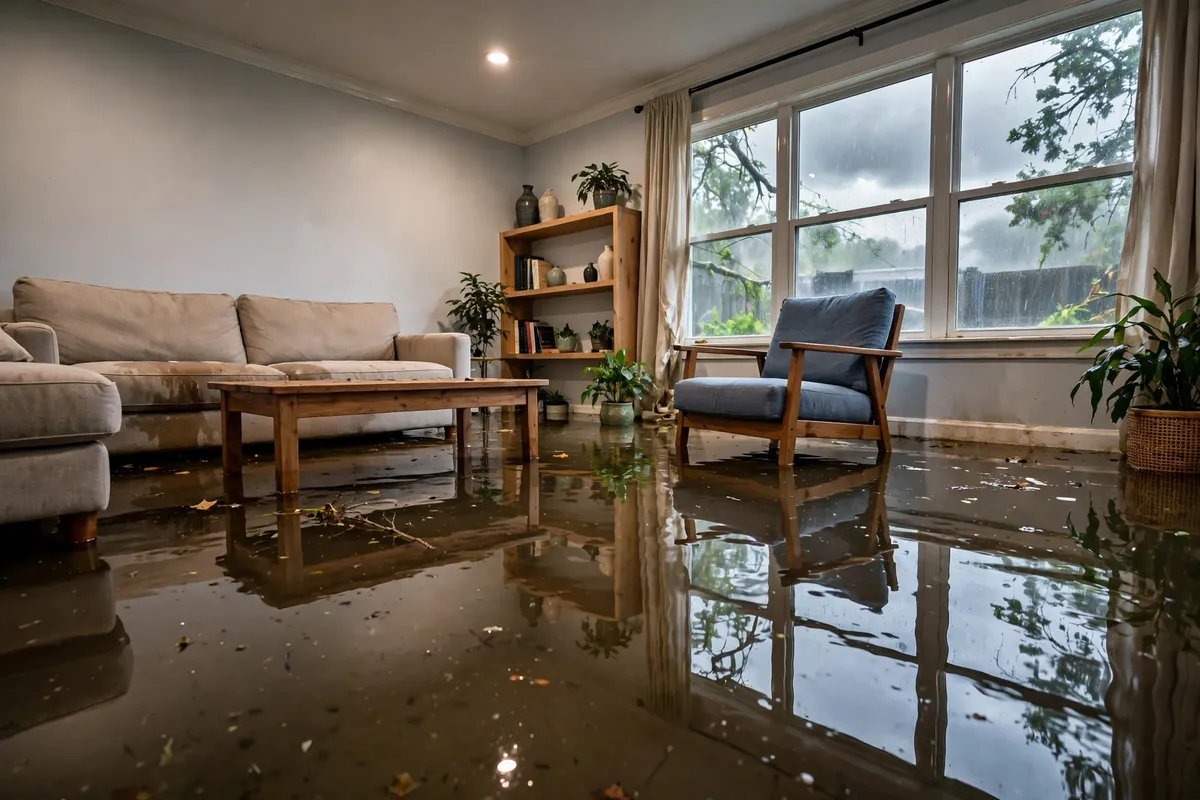
Pumps and truck-mounted extractors pull standing storm water out of living rooms, carpets and crawl spaces across Alabama. Extraction stops water spreading into walls and subfloors, and it is the first step pros take before any drying equipment goes in.
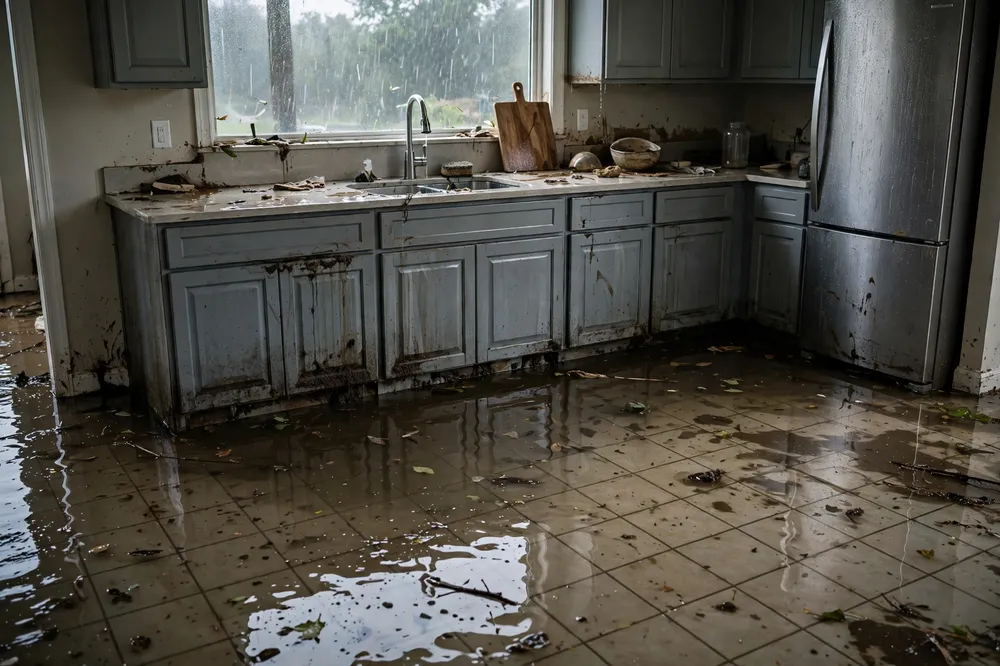
After a flood, pros remove soaked carpet, damaged drywall and debris so the home can dry safely. Flood cleanup in Alabama homes also means sorting what can be saved from what storm water has ruined beyond repair.
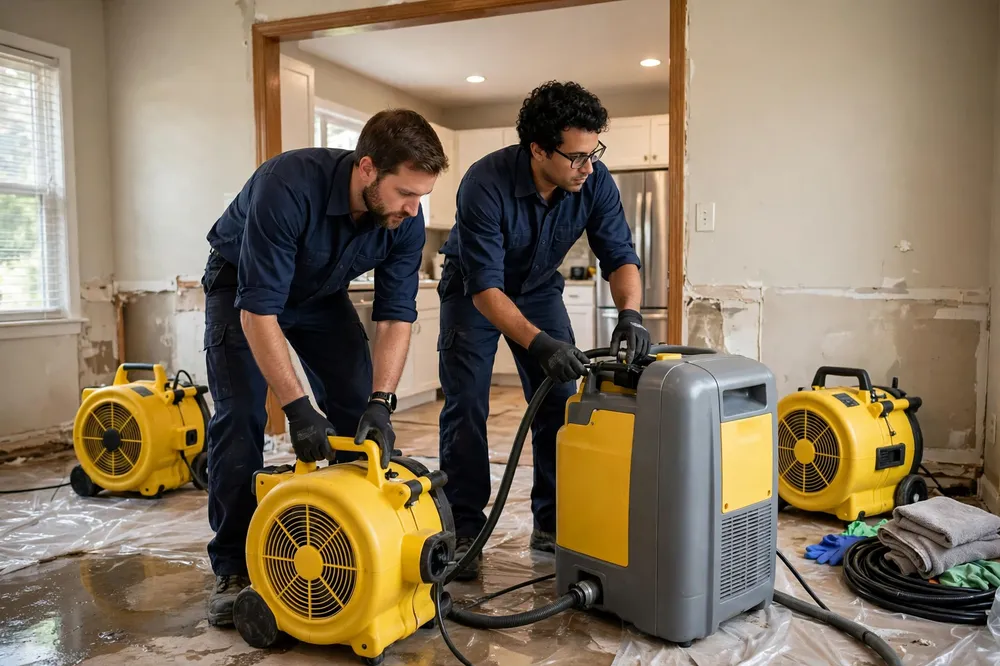
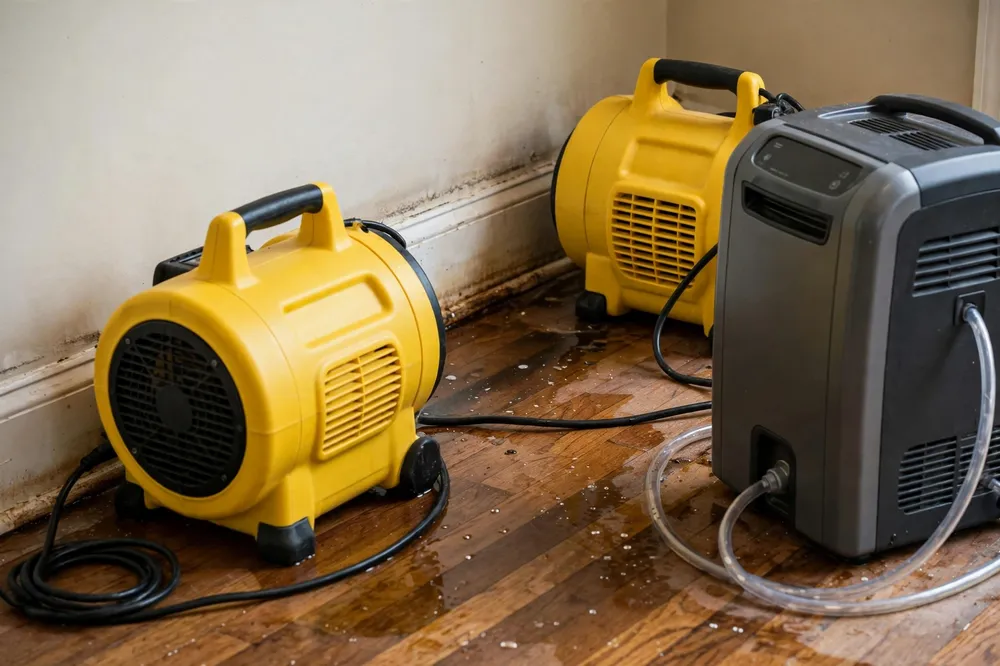
Structural drying uses air movers and commercial dehumidifiers to pull moisture out of framing, subfloors and wall cavities. Pros check moisture readings daily until the structure reaches safe levels, which protects Alabama homes from hidden mold growth.
When a storm tears shingles or decking away, a pro stretches and fastens a heavy tarp over the opening the same day. Roof tarping keeps the next round of Alabama rain out while permanent repairs are arranged.
Storm water that backs up through drains and septic lines is sewage — dirty water that needs careful cleanup and sanitizing. Pros remove it, clean every surface it touched and dry the area so your home is safe to use again.
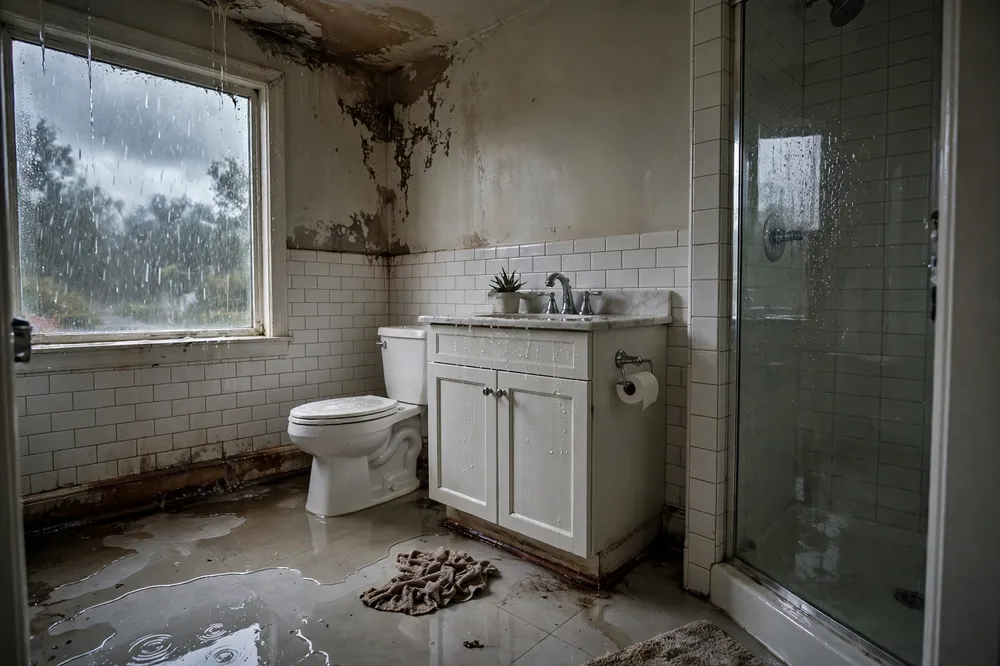
Where storm water sat for more than a day or two, mold can start growing on drywall, framing and insulation. Remediation removes the growth, treats the area and dries the structure so Alabama homes stay healthy after flooding.
When a tornado, a flash flood or a burst of storm rain puts water inside an Alabama home, most people do not know a drying crew they can call at 2 AM. That is the gap we fill. One free call connects you with an independent local pro who handles storm flood water damage in your town — extraction, drying and cleanup — while you stay focused on your family.
One free call. No forms and no fees — you call, we connect you.
Independent local pros. The pro who visits is a local business, not a call center crew from out of state.
Answered 24/7. Storms do not keep office hours, and neither does our phone line.
31 cities, 19 counties. From Birmingham to small towns like Belk and Bankston, every city on our list has its own page, its own local data and pros who can usually arrive in 30–60 minutes.
Water damage restoration is the full job of putting a home back after water gets in: extracting standing water, removing ruined materials, drying the structure, cleaning and checking for mold. After Alabama storms, most jobs start with extraction and drying in the first 24 hours. In Alabama especially, the sooner drying starts, the more of the home can usually be saved.
A flash flood is flooding that rises very fast — often within minutes or a few hours of heavy rain. The National Weather Service warns that flash floods are the most dangerous kind of flood in Alabama because the water can move quickly through low roads, creeks and neighborhoods with little warning, and it takes only a few inches of moving water to knock a person down or stall a car.
A standard homeowners policy usually does not cover damage from flooding that comes from outside the home — that normally needs a separate flood insurance policy. Storm damage from a damaged roof is a different claim type. Only your insurer can decide your claim, so document the damage with photos and call them early.
Most renters policies do not cover flood damage to your belongings unless flood cover was added. If you rent in a flood-prone part of Alabama, ask your insurer about flood contents cover before storm season, not after.
Small, clean-water jobs can dry in about 3–5 days. Flooded homes with several rooms, crawl spaces or sewage usually take longer — often one to three weeks including repairs. The pro who checks your home can give a real timeline after measuring moisture. In Alabama especially, the sooner drying starts, the more of the home can usually be saved.
Keep people and pets safe first: stay out of standing water near electrical outlets, and turn off power to flooded rooms only if you can do it from a dry spot. Then call for extraction help, move what you can to dry ground, and take photos for your insurer.
Look for shingles that are lifted, curled, creased or missing, dents in vents and flashing, and granules washing out of the gutters. From the ground, binoculars help. A pro can check the roof safely and tarp any openings the same day.
There is no fixed count — insurers look at how many shingles are damaged, their age and whether the roof can be repaired to a uniform finish. Only your insurer and a roofing pro who inspects it can answer for your roof.
Speed matters more than anything: water extracted in the first day usually means less drywall removed and less mold risk. Call for extraction, open nothing electrical that is wet, and start documentation for insurance while the pro is on the way.
Pros extract the water, remove materials that cannot be saved, set air movers and dehumidifiers, and check moisture daily until readings are dry. Then they clean and sanitize surfaces that flood water touched, and flag repairs your home needs.
In the 31 cities we serve, local pros can usually arrive in 30–60 minutes. Smaller towns are planned into their routes, and during a widespread storm outbreak the worst cases are triaged first — which is why calling early, even at night, puts you ahead of the rush.
Why Alabama Homeowners Call Us First
Storm water is stressful enough. We keep the first step simple: one free call, a local pro, and a clear plan before any work starts.
Free To CallThe call costs you nothing, and there is no obligation afterwards.
Answered 24/7Nights, weekends and holidays — a person answers, not a form.
Local ProsIndependent pros who live and work in your part of Alabama.
No PressureHear the pro's plan and price first. You decide what happens next.
Fast ArrivalLocal pros can usually arrive in 30–60 minutes in the cities we serve.
Calm HelpA steady voice and a clear plan when your home is standing in water.
What Alabama Homeowners Say
Real reviews from Alabama homeowners after storms and floods.
MV
Marcus Vance
★★★★★
When the March tornadoes ripped through Tuscaloosa, half of our roof blew off, and the interior was flooded within minutes. The crew arrived within two hours of calling, tarped the structure securely, and had commercial dehumidifiers running that evening. Outstanding emergency response.
BH
Brenda Hollingsworth
★★★★★
Dealing with post-storm flood damage in Huntsville was overwhelming, but this team handled everything with extreme professionalism. They documented all moisture readings thoroughly for our insurance claim, saving us thousands in potential out-of-pocket costs.
DJ
Darrell Jenkins
★★★★★
Flash flooding from severe weather submerged our ground floor in Birmingham. The technicians extracted hundreds of gallons of water, removed damaged drywall cleanly, and treated the framing to prevent mold growth. Fast, polite, and effective.
SL
Samantha Lee
★★★★★
Very thorough drying operation after storm runoff breached our basement in Hoover. Communication regarding the daily drying logs could have been slightly clearer, but the structural results were solid and clean.
CS
Cynthia Sterling
★★★★★
A downed pine tree crushed part of our attic during severe storms in Auburn, allowing rain to pour through two levels. They removed the tree, enclosed the hole, and dried out the subfloors before mold could set in.
TC
Travis Calhoun
★★★★★
Outstanding water extraction service in Mobile after storm surge backed up into our retail shop. They saved our commercial inventory by responding in the middle of the night. True lifesavers.
ER
Evelyn Ross
★★★★★
Tornado winds shattered our back patio doors in Prattville, soaking our hardwood floors. The crew deployed drying mats and industrial blowers, successfully salvaging the original wood without cupping.
GM
Greg Montgomery
★★★★★
Professional, punctual, and equipped with serious industrial gear. They completely remediated storm runoff that flooded our garage and crawl space in Decatur. Highly recommended.
AW
Alicia Warren
★★★★★
They did a great job drying out our storm-damaged home in Dothan. It took an extra day due to high outdoor humidity, but the technicians monitored the progress continuously.
KO
Kenneth O'Connor
★★★★★
A severe supercell tore through Cullman, damaging our roof and leaving standing water in the living area. The crew’s rapid water extraction and antimicrobial treatment prevented secondary rot completely.
LR
Latoya Robinson
★★★★★
Exceptional customer service during an extremely stressful time. Their project manager worked directly with our insurance adjuster, making the flood restoration process smooth and transparent.
RH
Richard Henderson
★★★★★
Severe flooding swamped our basement workshop in Florence. They pumped out the water, sanitized all concrete surfaces, and hauled away ruined drywall quickly.
Local Factors: Why Alabama Homes Flood In Storms
Alabama Sits In Dixie Alley
Alabama is one of the most tornado-prone states in the country. FEMA's National Risk Index gives Alabama counties some of the highest tornado risk scores in the US — the average Alabama county scores 78.4 out of 100 for tornado risk. When a tornado or severe storm opens a roof, rain pours straight into the rooms below.
Flash Flooding After Heavy Rain
Alabama's warm, humid air feeds slow-moving thunderstorms that can drop inches of rain in an hour. Creeks, storm drains and low roads flood fast, and water pushes through doors, garages and crawl spaces. FEMA scores the average Alabama county 62.6 out of 100 for riverine flooding risk.
Older Homes Across The State
About 42% of Alabama homes were built before 1980 (U.S. Census Bureau, ACS 2024). Older roofs, older plumbing and older seals let storm water in more easily, and older drywall and insulation hold moisture longer once they are wet.
Tropical Storms Reach Far Inland
Gulf hurricanes weaken as they cross Alabama, but their rain bands still flood homes hundreds of miles from the coast. Their winds still tear shingles and drop trees onto roofs in the northern half of the state — and the days of humid air that follow a tropical system are perfect mold weather inside a wet home.
Do I Have This Problem?
Tap anything you are seeing at home right now.
These Signs Can Point To Storm Flood Water Damage — Call A Local Pro To Check.
Only a pro can confirm the problem. The call is free, and a local pro can arrive in 30–60 minutes.